Participate

This statewide news broadcast focused on how the presence of Ethnic Studies in public school classrooms has allowed educators to address the marginalization that students of color face daily. Hosting a panel discussion with different educational leaders in New Mexico from Indigenous, Latine, and Black communities, the program examined how cultural education initiatives spoke to the desires of students of color. From discussing dual-credit, Ethnic Studies courses offered to high school students, to statewide Ethnic Studies elective classes offered across the board in secondary education, educators showcased the accessibility students have had to cultural education revolving around their specific backgrounds and experiences. While praising the progress made to integrate Ethnic Studies more into school district curricula, the panelists also examined how Ethnic Studies has gained power beyond the classroom and must be utilized. Panelist Christopher Ramirez spoke on how “young people are hungry to talk about and take action on issues of equity and justice in their communities” and how the classroom can serve as the first space to begin those discussions with students.
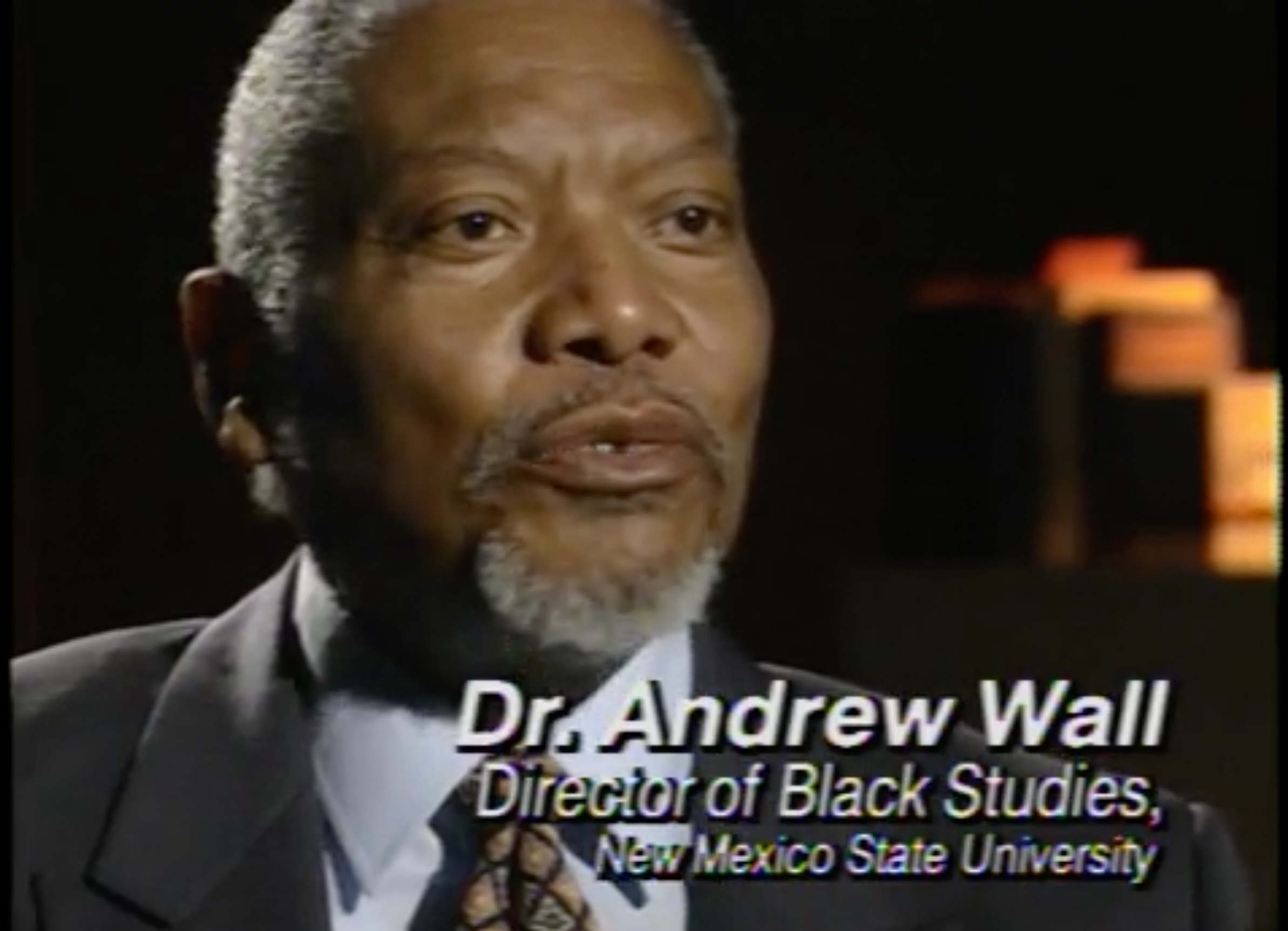 |
Black Studies and art history collided in this episode of ¡Colores!, a series dedicated to exploring the artistic and cultural history of New Mexico. The episode focused on the history of Black migrants from the Deep South who landed in New Mexico in 1908 and founded a community called Blackdom. Speaking with scholars Dr. Andrew Wall, the Director of Black Studies at New Mexico State University, and Dr. Maisha Baton, a poet and historian at the University of New Mexico, the episode showcased the necessity for a Black community that affirmed life and freedom from discrimination and racial persecution, a town that affirmed dreams. Founded by pioneers Ella and Frank Boyer as a separatist Black town “where there was no one to help us and no one to hinder us,” Blackdom served as vision for a new Black America post-emancipation.
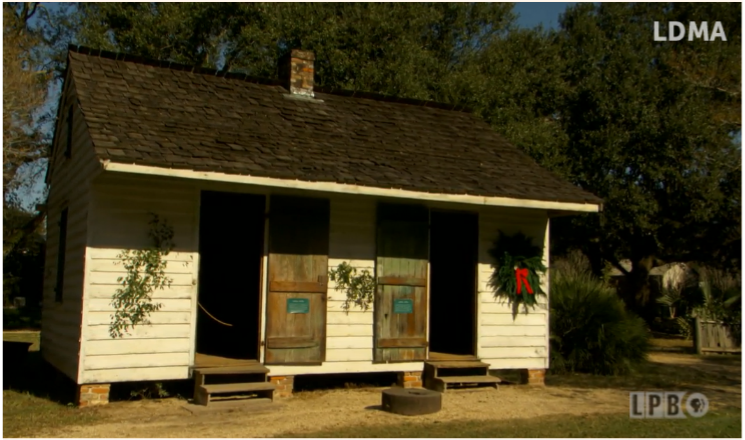
This holiday episode of A Taste of Louisiana, a series exploring the cuisine of the state, examined the contributions of African Americans to Christmas-centric cuisine that is popular in Louisiana. The episode featured Black Studies scholar and food historian Jessica Harris, who provided important cultural details to the dishes prepared as a way to shine light on the history that has shaped Louisiana holiday delicacies. Tracing the roots of some of the dishes all the way back to the plantation and the writings of Solomon Northup in the seminal work 12 Years A Slave, this episode served as a fusion of cultural entertainment television with Black scholarship to produce rich work that entertained audiences while also honoring Black history and tradition and showcasing it to Louisiana audiences.
 |
To honor the 50th anniversary of the student and faculty strikes that led to the founding of Ethnic Studies at American colleges and universities, the Spanish-language radio program Línea Abierta aired an episode examining the progress made by Ethnic Studies programs and their expansion into other aspects of education and the public sphere since their inception. Speaking with actual members and supporters of the strikes, such as Dorinda Moreno and Dr. Alex Saragoza, this episode provided a living history that spoke to the power of Ethnic Studies and mediated on its past, present, and hopes for the future of the field after their radical work.
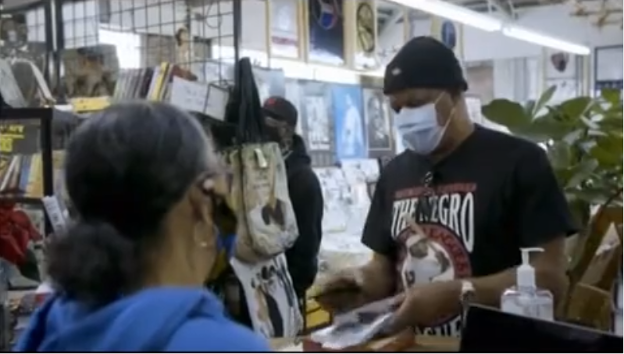
This episode of PBS NewsHour Weekend featured a segment on Black-owned independent bookstores and their boom in popularity and business after the 2020 Black Lives Matter marches against police brutality and racial injustice. Reporters shed light on Marcus Books in Oakland, California, a Black-owned bookstore that focuses on radical literature written by Black authors. Founded by the married couple Dr. Raye Richardson and Dr. Julian Richardson, who met at Tuskegee University, Marcus Books was conceived to provide the Oakland Black community with books centered on the Black experience, community politics, history, and culture, with the intent for “Black people to have information about themselves.” The segment recruited multiple Black Studies scholars, such as Jasmine Johnson and Walter Turner, to provide historical context and analyze the impact of the bookstore on the Oakland community and the determination needed to keep the store running for more than sixty years.
 |
Black Studies has had an indelible effect on higher education, Black cultural work, and the African Diaspora since its inception. Over fifty years later, it is still conducting work in great service to Black communities across the nation and around the globe. The materials in this exhibit aim to give audiences a stronger understanding of Black Studies' influence across American society and how in particular public broadcasting served as a bridge to give Black homes access to Black Studies through media. As challenges against the inclusion of Black history and culture in American classrooms rage on, this exhibit traces the history of that battle and how despite innumerous obstacles, this field of study perseveres and continues to press forward.
Programs Discussed in This Exhibit
Additional Related Programs
Next: Notes